Salesforce is one of those platforms that can do almost anything – if you know how to use it. It can simplify workflows, sharpen marketing insights, and give sales teams the visibility they need to close more deals. Yet, in many organizations, only a small fraction of its capabilities ever see the light of day.
You might already have attribution tracking or forecasting dashboards in place. But do you utilize the data? When valuable data sits untouched, the return on the investment never reaches its potential.
Below are three Salesforce features that are often overlooked, along with a few ways to get real value from them.
1. Multi-touch attribution: see what’s actually driving conversions
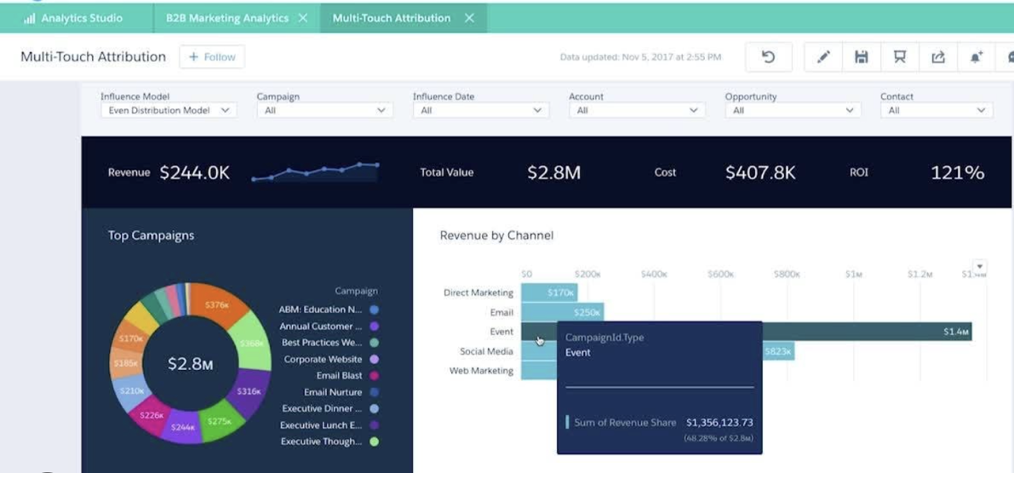
Today’s buyers rarely take a straight path. They might click an ad, attend a webinar, read a blog post, and download a white paper – all before they ever speak with sales. Multi-Touch Attribution in Salesforce connect those dots. It shows how every touchpoint contributes to a conversion instead of giving all the credit to the last click.
Used effectively, it can:
- Map the complete customer journey to reveal which interactions have the most influence.
- Highlight campaigns that deliver the best ROI, not just the highest lead count.
- Give marketers real evidence to support budget decisions.
Example:
Imagine your reporting shows that webinars bring in the most leads. Multi-touch data might reveal that most of those attendees first discovered your brand through paid social ads weeks earlier. That kind of insight changes how you allocate spend – keeping awareness campaigns alive instead of cutting what actually works.
Where teams go wrong:
Many organizations enable Multi-Touch Attribution but never adjust the default model. They end up stuck in a “last touch wins” mindset, which distorts reality. When marketing automation data isn’t connected, attribution becomes guesswork – and budgets follow the wrong story.
2. Source tracking: determine where your best leads come from
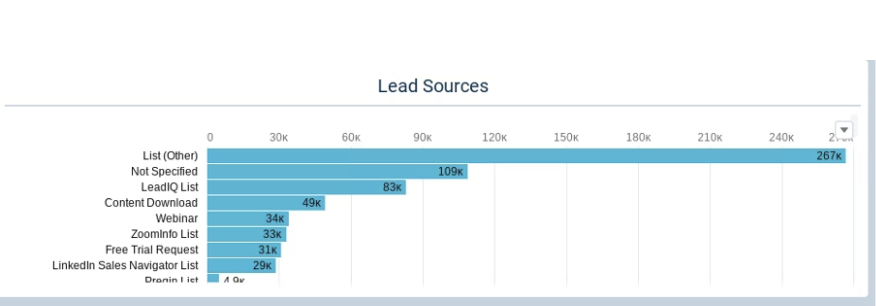
If attribution explains the journey, source tracking explains where it begins. Salesforce’s Source Tracking tools can tell you exactly which channels and campaigns are attracting your most qualified leads.
Fully leveraging this data can help you:
- Identify sources that consistently generate high-value opportunities.
- Spot and cut wasteful channels before they drain your budget.
- Keep marketing and sales aligned with a single, trusted view of lead quality.
Example:
You might find that leads from LinkedIn ads convert 30% faster than those from organic search. That’s not just a marketing insight – it’s fuel for better sales prioritization and smarter budget shifts.
Where teams go wrong:
Many rely on one manually filled “Lead Source” field, or let it get overwritten when a contact engages again. That means you lose sight of the true origin. Without that clarity, marketing can’t prove which campaigns are actually feeding the pipeline. Tip: create a validation rule / rules in order to ensure that processes of lead creation are properly followed.
3. Sales forecasting: turn data into predictable growth
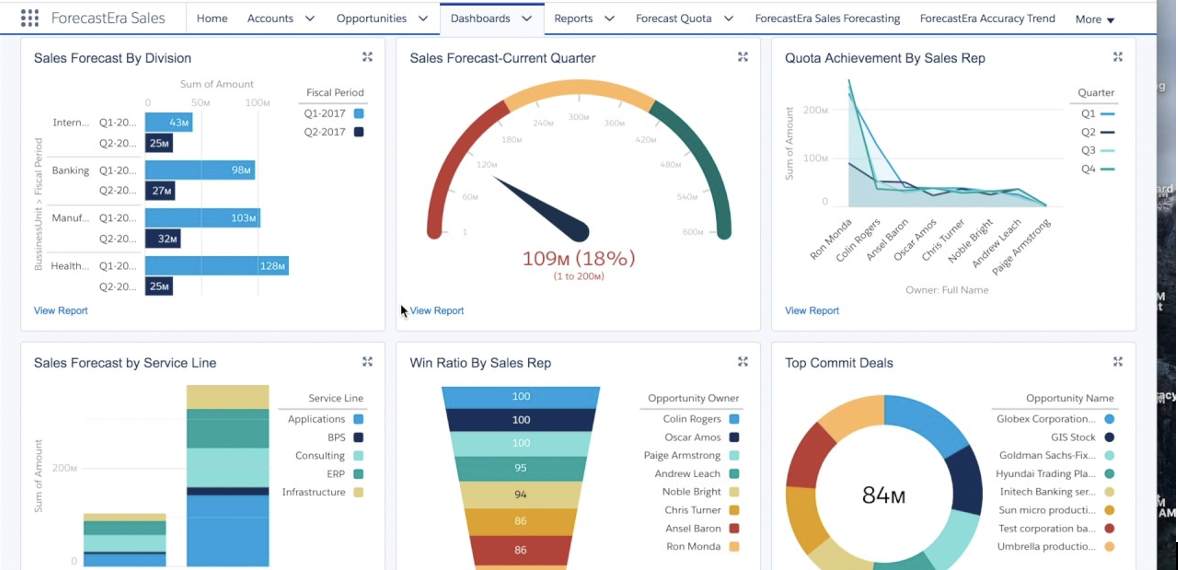
Accurate forecasting is one of the most underrated advantages Salesforce offers. When set up well, it doesn’t just show expected revenue — it tells you where your business is heading, and why.
With strong forecasting, you can:
- Spot trends early and adjust strategy before they hit the bottom line.
- Align sales, marketing, and leadership around a shared view of performance.
- Make confident staffing and budget decisions backed by data.
Example:
Let’s say your sales forecast shows a slowdown in mid-funnel opportunities for a specific product. Instead of waiting for revenue to drop, marketing can step in right away with a targeted campaign to fill the gap.
Where teams go wrong:
Too many companies still manage forecasts in spreadsheets or only update them quarterly. Without real-time CRM data flowing in, those forecasts quickly go stale — and teams end up reacting to problems instead of preventing them.
Get the most out of Salesforce by optimizing these features
Owning Salesforce doesn’t automatically mean you’re using it well. Features like Multi-Touch Attribution, Source Tracking, and Forecasting will give you the overview, focus and control you need. But only if you optimize their set up.
When these tools are properly tuned, you can:
- Invest marketing dollars where they truly pay off.
- See your customers’ journeys with complete clarity.
- Build a sales process that’s proactive instead of reactive.
If you’re not sure whether your Salesforce setup is running at full capacity, now’s the time to take a closer look. A few small changes in configuration or reporting can unlock insights that lead to major gains in efficiency, performance, and revenue.
Ready to make your Salesforce tools work harder for you?
Let’s connect and uncover the opportunities hiding in plain sight.